
"roasting components"
1000 article(s) found
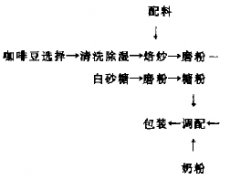
Development of flavored coffee
Caffeine varieties, origin, with different aroma and coffee ingredients, need to be reasonably prepared. Only in this way can the aroma components and the nutritional components of coffee complement each other, and the coffee powder can have a beautiful flavor. Due to the lack of coffee raw materials in our country. Coffee drinks are expensive, coffee is only used as high-end drinks, and the consumer market is very wide.

Development of Fine Coffee flavoured Coffee
Caffeine varieties, origin, with different aroma and coffee ingredients, need to be reasonably prepared. Only in this way can the aroma components and the nutritional components of coffee complement each other, and the coffee powder can have a beautiful flavor. Due to the lack of coffee raw materials in our country. Coffee drinks are expensive, coffee is only used as high-end drinks, and the consumer market is very wide.

Mazzer bean mill how to adjust the component flavor description characteristics taste treatment method
Mazzer bean grinder how to adjust the flavor description characteristics taste processing bean grinder is often directly ignored in coffee recruits! This is a really sad fact! Many novices buy coffee powder directly in the supermarket. But friends with a little common sense will know that the shelf life of coffee after roasting is very short. It is generally recommended that freshly baked beans should be drunk within one month.

Analysis of various components in coffee beans
Caffeine: caffeine is the most eye-catching of all the ingredients in coffee. It belongs to a kind of phytoxanthin (animal muscle component). It has the same properties as theobromine contained in cocoa, green tea contains the same theophylline, and the percentage of reduction after baking is very small. Caffeine has a very wide range of effects. will affect the human brain, heart, blood vessels, gastrointestinal, muscle and kidney and other parts, the right amount of coffee
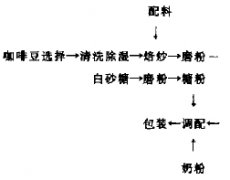
Development of Flavor Coffee screening of the Best Formula of Flavor Coffee
Caffeine varieties, origin, with different aroma and coffee ingredients, need to be reasonably prepared. Only in this way can the aroma components and the nutritional components of coffee complement each other, and the coffee powder can have a beautiful flavor. Due to the lack of coffee raw materials in our country. Coffee drinks are expensive, coffee is only used as high-end drinks, and the consumer market is very wide.

Analysis of the aroma of coffee from a chemical point of view
Whether you are a coffee expert or an ordinary coffee lover, you will be attracted by the attractive aroma of that freshly ground coffee every morning. What you don't know is that this fragrance actually contains thousands of chemicals. To give you a better understanding of the chemical components of coffee aroma, we have drawn the following chart: in the face of such a complex chemical symbol, you may be
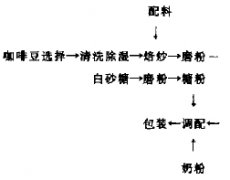
The development of flavored coffee the steps of making a cup of fancy coffee
Caffeine varieties, origin, with different aroma and coffee ingredients, need to be reasonably prepared. Only in this way can the aroma components and the nutritional components of coffee complement each other, and the coffee powder can have a beautiful flavor. Due to the lack of coffee raw materials in our country. Coffee drinks are expensive, coffee is only used as high-end drinks, and the consumer market is very wide.

Effects of different Baking intensity on the main volatile aroma components of Yunnan Coffee
Using Yunnan Baoshan Tibica and Katim coffee beans as raw materials, the main volatile aroma components of two kinds of coffee beans under different baking intensity were determined by solid phase microextraction-gas chromatography-mass spectrometry (SPME-GC-MS). Mass ratio changes of pyridine, guaiacol, 2-methylpyrazine, 2-ethyl-3-dimethylpyrazine, furan methanol, 5-methylfurfural and maltol

Bake is good! Roasted coffee beans produce more than 650 aromas!
Professional barista communication please pay attention to coffee workshop (Weixin Official Accounts cafe_style ) coffee beans must be roasted to have coffee aroma, this is because when roasting raw beans, volatile substances and other components will thermally decompose or interact to form coffee unique aroma and flavor, at present it is known that roasted coffee beans can produce at least 650 kinds of aroma. coffee green
Coffee training knowledge-Analysis of Acid components in Coffee
Coffee training knowledge-Analysis of Acid components in Coffee: the acidity of coffee is generally considered to be related to coffee quality. Acidity is typical of high-value coffee in Central America and East Africa. Excessive sour taste is considered to be the disadvantage of coffee. Acidity is related to growing at very high altitudes and mineral-rich volcanic soils. The acidity of washed beans is higher than that of sun-dried beans. As thick as sun beans
Boutique Coffee Analysis of the main components of Coffee
Caffeine: caffeine is the best known of all the ingredients in coffee. It is a kind of phytoxanthin (animal muscle component). It has the same properties as theobromine in cocoa and theophylline in green tea, the percentage of reduction after baking is very small, and the effect of caffeine is very extensive. will affect the human brain, heart, blood vessels, gastrointestinal, muscle and kidney and other parts, the right amount of coffee

Skills of roasting coffee beans what are the skills of sharing roasted coffee beans
Communication of professional baristas Please pay attention to coffee workshop (Wechat official account cafe_style) coffee beans need to be fried and roasted before releasing their aroma components. Coffee roasting is actually a process of transformation of its internal components, which is also quite complicated. The roasting of coffee beans is skillful and exquisite. Only when the coffee beans are roasted correctly can they boil with fragrance and taste.

Flavor atlas of Yunnan coffee
As we all know, raw beans have almost no other flavor except the smell of grass before baking, but their chemical components react in a series of ways during the baking process, forming the unique flavor of coffee. Coffee contains more than 800 volatile components, even if some ingredients are trace, can also play a role in the flavor. Dehong, Baoshan, Lincang and Pu'er in Yunnan Province are domestic small-grain coffee.

The main components of coffee caffeine tannic acid fat protein sugar fiber mineral flavor
Caffeine: caffeine is the best known of all the ingredients in coffee. It is a kind of phytoxanthin (animal muscle component). It has the same properties as theobromine in cocoa and theophylline in green tea, the percentage of reduction after baking is very small, and the effect of caffeine is very extensive. will affect the human brain, heart, blood vessels, gastrointestinal, muscle and kidney and other parts, the right amount of coffee

Why do coffee beans turn brown after roasting? Why is there an aroma?
Coffee beans are light green and turn brown when roasted. This baking characteristic brown mainly comes from the brown pigment produced by oligosaccharins, amino acids and chlorogenic acids. The so-called brown pigment does not refer to a color or ingredient, but a general term for the many ingredients that make coffee different colors. Raw beans gradually change color during baking because of the total amount of brown pigment

The main components of coffee beans
The fiber of fiber raw beans will be carbonized after baking and combine with caramel to form the hue of coffee. The main source of protein calories, the proportion is not high. Most of the protein in coffee powder will not dissolve out when brewing coffee, so the intake is limited. Sugar coffee raw beans contain about 8% sugar. After baking, most of the sugar will be converted to caramel, making the coffee brown.
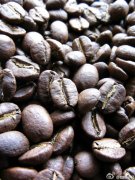
Coffee knowledge explanation on the Analysis of Acid components in Coffee
The acidity of coffee is usually considered to be related to the quality of coffee. Acidity is typical of high-value coffee in Central America and East Africa. Excessive sour taste is considered to be the disadvantage of coffee. Acidity is related to growing at very high altitudes and mineral-rich volcanic soils.

The main components of coffee astringency nutrition table introduction
The astringency of coffee is mainly due to the degradation of chlorogenic acid into decaffeoylquinic acid during roasting. In addition, a small amount of tartaric acid contained in coffee is also a source of astringency. The astringency in coffee is mainly due to the coagulation of dicaffeoylquinic acid with proteins in saliva in the mouth and in the mouth.

The basic chemical reaction of coffee knowledge during coffee roasting.
Many thermal and chemical reactions take place during baking: decarbonation, dehydration of quinic acid, subdivision, isomerization, polymerization, and complex sugar reactions (caramelization). The main components of the thermal reaction are monosaccharides and sucrose, chlorogenic acid, free amino acids, and fenugreek amide. Both aravinose and calactose in the polysaccharides are transferred, and the basic vulcanization process includes hydroxylamine.
Introduction to the main nutritional components of coffee beans
Coffee is a kind of heavily roasted coffee, which tastes scorched, bitter without acid, and coffee beans produce oil, so it is very suitable for steam pressurized coffee. The origin of the cappuccino Cappuccino the Viennese Fanz George Kolschitsky, the founder of Cafe Latte with milk and coffee, will talk about the origin of the cappuccino (Cappuccino) in this issue. These two kinds of drinks